USC Wrigley Institute for Environmental Studies
 

National Association of Marine Labs

K-12 EDUCATION & OUTREACH PROGRAMS

The majority of text comes directly from the education pages of the institutions, which can be accessed directly from this page.

Alabama   Alaska   Bermuda   California   Florida   French Polynesia   Guam   Hawaii   Maine   Maryland   Oregon   Palau   South Carolina   Texas   Virginia   Washington

Alabama

Dauphin Island Sea Lab

Gulf Island Journey Fun, Sun, and Marine Science for Middle School Students - Located on a barrier island off the coast of Alabama, the Dauphin Island Sea Lab offers a unique setting for a summer camp in marine science. Join the Sea Lab team for beach scavenger hunts, ghost crab crawls, marsh mushing and collection trips aboard our research vessel A.E. Verrill and watch bottle nose dolphins swim by. The group will visit a historic civil war fort and travel to another small island off the coast of Dauphin Island to see nesting sea birds and collect shells. This fun program instills a basic understanding of marine science with lots of hands-on activities. There are only 30 slots per session for each one-week program so sign-up early. Designed for rising 7th, 8th & 9th grade students.
Dates: June 1 - June 6; June 8 - June 13; June 15 - 20; June 22 - June 27
Application Deadline Date: Please return this form with a $50 non-refundable application fee by April 30, 2003. All checks should be made payable to Dauphin Island Sea Lab.
Program Cost: The cost of the middle school program is $450 and includes tuition, room, meals, and lab fees.

Discovery Hall Programs Summer High School Course (DHP) - During the summer months, the Discovery Hall Programs offer a course in marine science to high school students. The length of the course is four weeks, during which time the students live on campus and participate in over 150 hours of supervised academic activities. Due to a special fascination with the ocean and its inhabitants, marine education has become increasingly popular among high school students. The Discovery Hall course is designed to introduce the student to the diverse and complex communities within the marine environment. The overall course goal is for students to gain a better appreciation and awareness of the ocean, its inhabitants, and the problems, which must be solved in utilizing the marine environment. Classes are taught in an academic setting and are designed to give the student a better understanding and appreciation of the various fields in marine science. The Alabama State Department of Education approves the Discovery Hall Summer Programs' high school course and recommends that local systems grant participating students credit toward either an Advanced or Standard High School Diploma.
Course Prerequisites: Any high school student in grades 9-11 (2001-02 school year) who has completed (by summer) a course in general biology is eligible to apply for admission into the Discovery Hall Summer Programs high school course. Selection for the program is based on interest, grades, teacher recommendations, and a student essay.
Dates for the 2003 Summer Session: July 6 - August 1, 2003
Program Cost: The cost of the high school program is $1250 and includes registration fee, tuition, room, meals, and lab fees. If accepted, a deposit of $402 must be paid with a post-mark prior to May 10, 2003 to reserve the student's enrollment in the course.

For more information on the Dauphin Island Sea Lab and the Discovery Hall Programs browse our web site http://www.disl.org or contact Ms. Denise Keaton at (251) 861-7515 or dkeaton@disl.org.

Top of Page

Alaska

Prince Williams Sound Science Center

The goals of Science of the Sound are: to provoke inquiry into the natural world, to increase science and ecological literacy, and to foster responsibility for the sound use of our natural resources. This program uses hands-on learning and outdoor education to inspire personal connections to the natural world and responsible decision making to sustain it. Four core programs make up Science of the Sound:
  1. The Discovery Room is a monthly science and environmental education program for students in Cordova, Alaska.
  2. Outreach Discovery takes a modified version of the Discovery Room program to isolated villages in Prince William Sound.
  3. From the Forest to the Sea summer camps offer residential ecology programs for 8-15 year olds.
  4. Throughout the year we offer Community Education Programs consisting of field trips, lectures, and citizen science projects for adults and families in the region.

Top of Page

Bermuda

Bermuda Biological Station for Research, Inc.

BBSR offers hands-on science education to visiting school groups from around the world. BBSR is also a primary interactive network site for the international JASON Project expeditions each year.

Education for Grades K - 13 and Outreach

  • Field trip guides
  • Visiting groups

    Top of Page

    California

    Marine Sciences Institute
    University of California, Santa Barbara

    The goal of the Young Marine Scientists Program is to familiarize students and their teachers with scientific and social aspects of the marine ecosystem. Science is presented as an everyday common sense investigative activity which everyone uses for survival. Thus, every surviving creature is a scientist, and the scientific method of investigation is nothing more than a logical problem solving and critical thinking process.

    ntists in their investigations. Hands-on activities and practical materials have been developed for teaching science, aimed at appealing to the natural fascination with the marine environment which is experienced by people of all ages. Important YMS goals are to make university researchers accessible to teachers in the community in order to encourage them to become involved in research and gain confidence in their approach to teaching the sciences. The teachers and their young students are offered direct exposure to working scientists from a variety of disciplines who answer questions and provide guidance for research projects and enriched teaching at the individual, small group, or class level.

    Top of Page

    Moss Landing Marine Laboratories
    California State University

    Moss Landing Marine Laboratories has several educational programs that enable people to learn the role scientific research plays in our understanding of marine and coastal environments. We have a visitor area with a large dune restoration site and spectacular views of the Monterey Bay. Group tours are available to learn about the world-renowned marine research at MLML. We involve and educate the general public and school children in the research at the MLML through the following programs:

    1. Teacher Enhancement Programs - Periodic workshops provide regional educators with curriculum activities and classroom support to teach students about the scientific process using examples of MLML research projects.
    2. Group Tours - Friends of MLML staff and student docents provide tours to the public and visiting school groups (grades 8-12 and college).
    3. Teacher Enhancement Program
    4. Youth Programs - Periodic opportunities are available for young people interested in learning more about marine research.
    5. Public Seminars - Friends of MLML offer six informative, easy to understand, public seminars each year, highlighting current coastal and marine research.

    Visitors who drop-in on a casual basis have assess to our visitors' area. A more extensive visitor center and public boardwalk are proposed for the future. Group tours require advance notice. The public is invited to attend community seminars and the annual open house. Area teachers must register for and attend summer workshops to receive curriculum and classroom support. Contact Friends of MLML staff at (831) 771-4100 for updates on these programs.

    Top of Page

    Romberg Tiburon Center for Environmental Studies
    San Francisco State University

    As San Francisco State University's marine research facility, one of our primary goals is to serve as an educational resource to SF Bay Area teachers by providing scientific expertise and exposure to on-going research projects, and by increasing awareness of environmental issues that affect SF Bay and surrounding coastal regions.

    Top of Page

    Seymour Marine Discovery Center at Long Marine Laboratory
    University of California, Santa Cruz

    Located on the bluffs overlooking Monterey Bay, the Seymour Marine Discovery Center is dedicated to giving the public an inside look at Long Marine Laboratory, the world-class marine research lab affiliated with UC Santa Cruz. Exhibits feature the work of UCSC scientists, while volunteers help educate the public about the role research plays in the conservation of the world's oceans.

    A popular touch tank and other hands-on activities enhance the experience for children and adults alike. Highlights include an 87-foot-long blue whale skeleton, guided tours of marine mammal research areas, educational programs tailored for school children of all ages, and an array of specialty programs that focus on different aspects of marine science.

    The Seymour Center is located at the end of Delaware Avenue on the west side of Santa Cruz. Hours are Tuesday through Saturday, 10 a.m. to 5 p.m., and Sunday, noon to 5 p.m.; closed Monday. The first Tuesday of each month is always free admission, and members visit free everyday. For more information, call (831) 459-3800, or visit http://seymourcenter.ucsc.edu.

    School Field Trips:
    Marine Science Field Trips for K-12 and Community College

    • Explore the amazing underwater wonders of Monterey Bay
    • Discover how ocean scientists think and work
    • Experience the world's largest blue whale skeleton

    Three Great Ways to Visit! The Seymour Center offers three great ways to immerse your class in the world of marine science, research, and discovery. Click here to learn about about the three types of field trip options. http://www2.ucsc.edu/seymourcenter/lp-school.html

    Spring and Summer Youth Programs:
    OCEAN EXPLORERS -Marine science programs for youth ages 7-14.
    Weekly summer sessions plus special spring break session each year.

    • Enjoy a week of fun exploring ocean science
    • Investigate the incredible creatures that inhabit Monterey Bay
    • Discover how marine scientists work in the great outdoors

    Ocean Explorers experience the thrill of scientific discovery at a working marine lab. Students actively learn from field explorations, hands-on activities, games, and crafts. Exciting opportunities abound for young people interested in learning more about the world's oceans! Click here to learn more. http://www2.ucsc.edu/seymourcenter/lp-youth.html

    Teacher Programs and Resources:
    Workshops, teaching resources, and special activities provide educators with opportunities to teach students about marine research and the scientific process. Click here to learn more about current opportunities. http://www2.ucsc.edu/seymourcenter/lp-teacher.html

    Visitor Programs -- Every day!
    Knowledgeable docents introduce visitors to the exciting world of marine science research. lectures, workshops, and field trips expand your opportunities to learn even more. http://www2.ucsc.edu/seymourcenter/lp-visitor.html#top

    Scripps Institute of Oceanography, Birch Aquarium
    University of California, San Diego

    Exploring the Science of Our Oceans and Earth - Our Commitment to Science Education - Scripps Institution of Oceanography is on the leading edge of global science exploration and discovery. The mission of Scripps is to seek, teach, and communicate scientific understanding of the oceans, atmosphere, Earth and other planets for the benefit of society and the environment. At the Birch Aquarium at Scripps, our new education initiative, Exploring the Science of Our Oceans and Earth, offers teachers an array of K-12 programs in marine biology, physical oceanography, ocean technology, and atmospheric sciences that will enhance your classroom curriculum and inspire your students for lifelong learning and appreciation of our oceans and Earth.

    Building on Scripps's extensive experience in oceanographic research and development of school and public education programs and materials, the Aquarium has a dynamic staff of education specialists to translate emergent research at SIO into innovative learning models for ocean and earth science education. Our programs will enhance the capabilities of K-12 educators to teach ocean science by providing firsthand interaction with practicing ocean scientists; providing innovative, cutting-edge electronic curricular enhancement materials and novel field experiences to integrate into classroom studies.

    Top of Page

    Telonicher Marine Laboratory
    Humboldt State University

    The Marine Laboratory has many opportunities available for groups ranging in size up to 30 individuals. The Marine Naturalist provides educational activities on our local marine life in a fun and engaging way. You can custom design your tour from the following choices that would best fit your needs.

    Several aquaria exhibit local fishes and invertebrates. The touch tank provides an opportunity for kids and adults to touch anemones, starfish and sea urchins. Other exhibits include a 3-dimensional model of the ocean floor and the whaling history of the North Coast. Slideshows, presentations and guided tours are available to schools and other groups by reservation.

    Marine Sciences Summer Program provides multiple workshops for kids ages 6-12 starting in July. Registration will start in May. Workshop topics include Intertidal Exploration, Fish and Sharks, Ocean Conservation, Beaches and Tides, Plankton to Seaweed, and Local Marine Mammals. There is a 20-child limit per class. For further details call the Marine Naturalist at (707) 826-3689.

    Top of Page

    Wrigley Institute for Environmental Studies
    University of Southern California

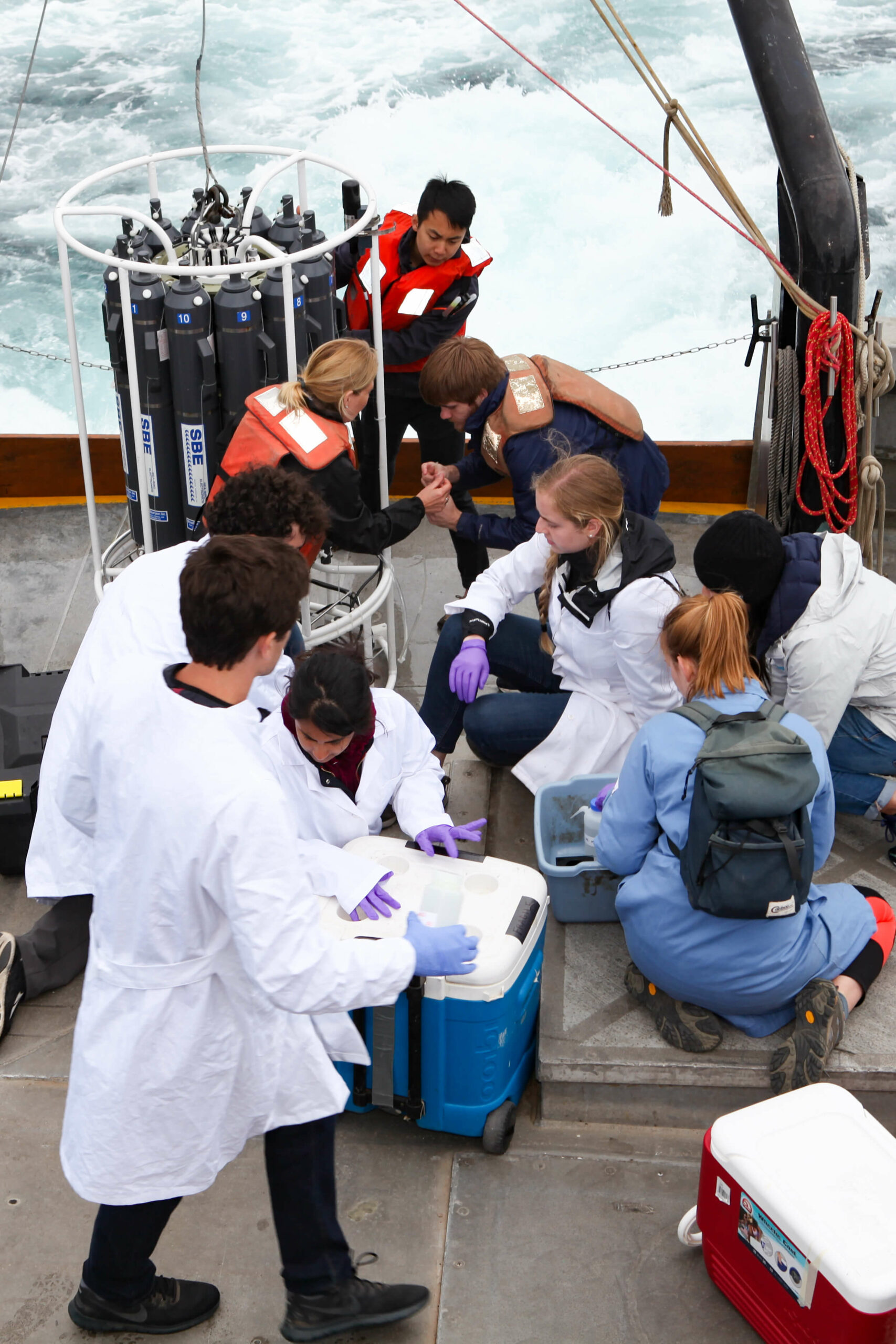
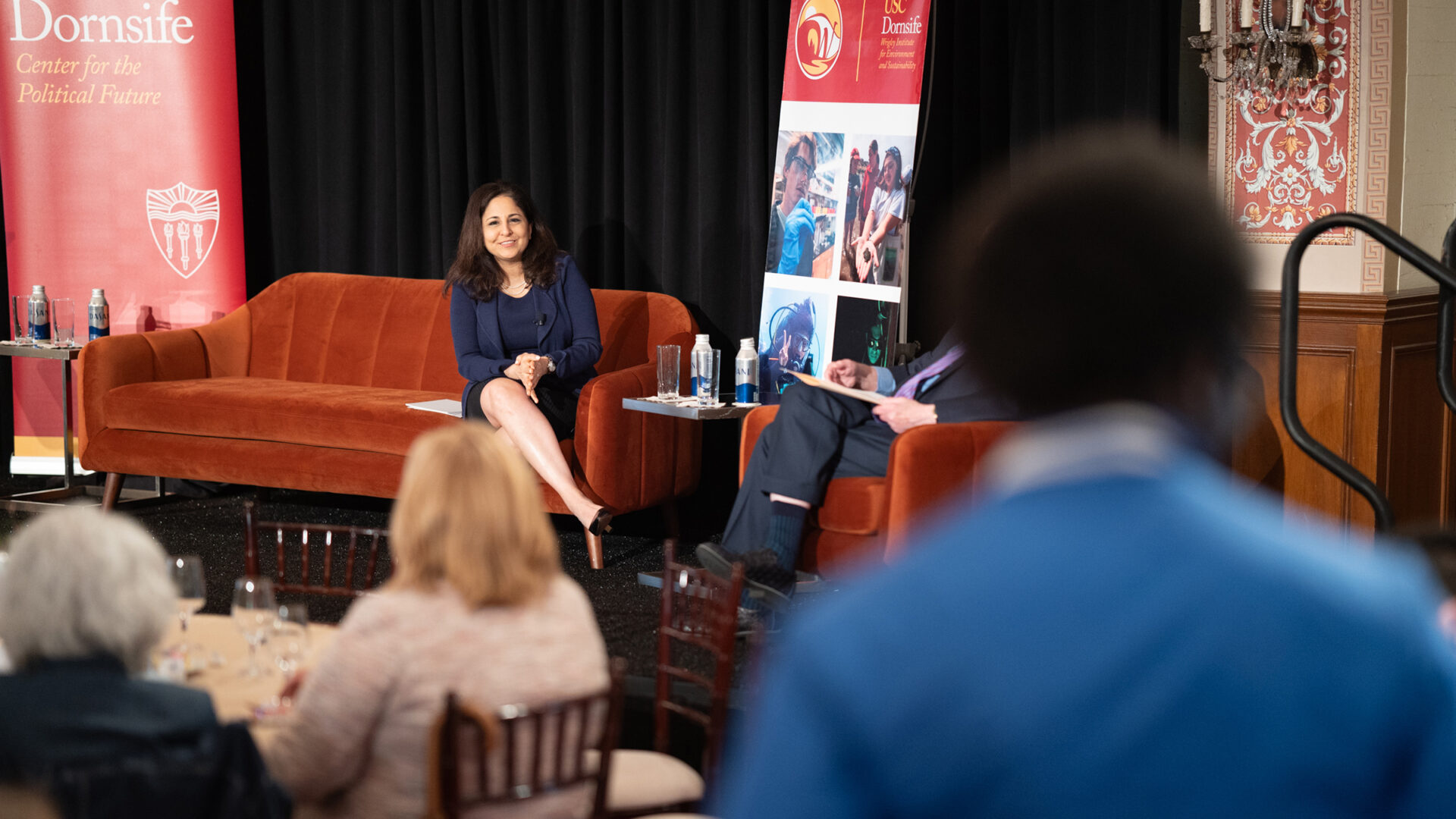
    COSEE-West - COSEE-West is the west coast hub for the National Science Foundation supported COSEE (Center for Ocean Science Education Excellence) effort. The primary role of the COSEE network is a catalytic, multi-faceted collaboration to integrate ongoing research in the ocean sciences with K-12 education and outreach.

    Research-oriented marine science faculty at UCLA & USC, the Natural History Museum of Los Angeles County, the Aquarium of the Pacific, the Cabrillo Marine Aquarium, the California Science Center, and the Ocean Discovery Center are creating a network of oceanographic researchers, K-12 educators, informal education centers and the general public. The program will be broadly disseminated throughout the greater Los Angeles area, including the Los Angeles Unified School District and other Los Angeles County schools, with exceptional impact on under-achieving and under-represented minorities.

    QuikScience - The University of Southern California's College of Letters, Arts and Sciences, the USC Wrigley Institute for Environmental Studies and Quiksilver, Inc. announce a partnership to improve science and environmental education for students in grades K-12. Quiksilver will provide financial support as well as in-kind contributions to help enhance and expand the activities of the Center for Ocean Science Education Excellence (COSEE-West). The Partnership will stimulate a variety of activities that use the love of the sea to help improve science and environmental education.

    Sea Education Association (SEA) Summer Course

    Los Angeles Regional Ocean Sciences Bowl - The Consortium for Oceanographic Research and Education (CORE), along with its 61 member institutions and in partnership with the National Marine Educators Association (NMEA), conducts a national competition for high schools on topics related to the study of the oceans: the National Ocean Sciences Bowl. This competition is intended to increase knowledge of the oceans on the part of high school students, their teachers and parents, as well as to raise the visibility and public understanding of the national investment in ocean-related research.

    Middle School and High School Girls' Science Camps - With the USC Provost's Office, we offer summer science courses for girls. These special courses help young girls to maintain a special science focus through the challenges of adolescence.

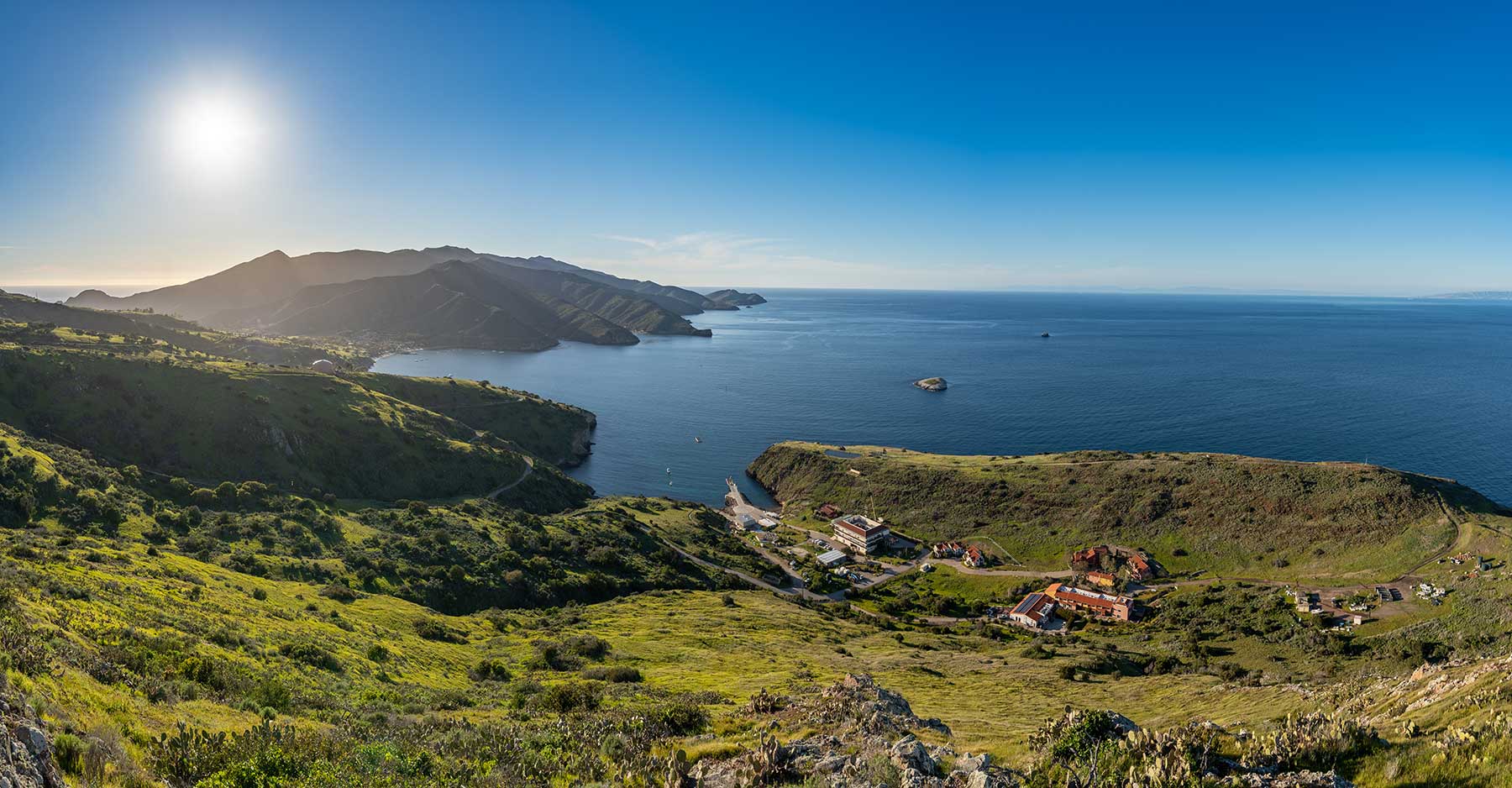
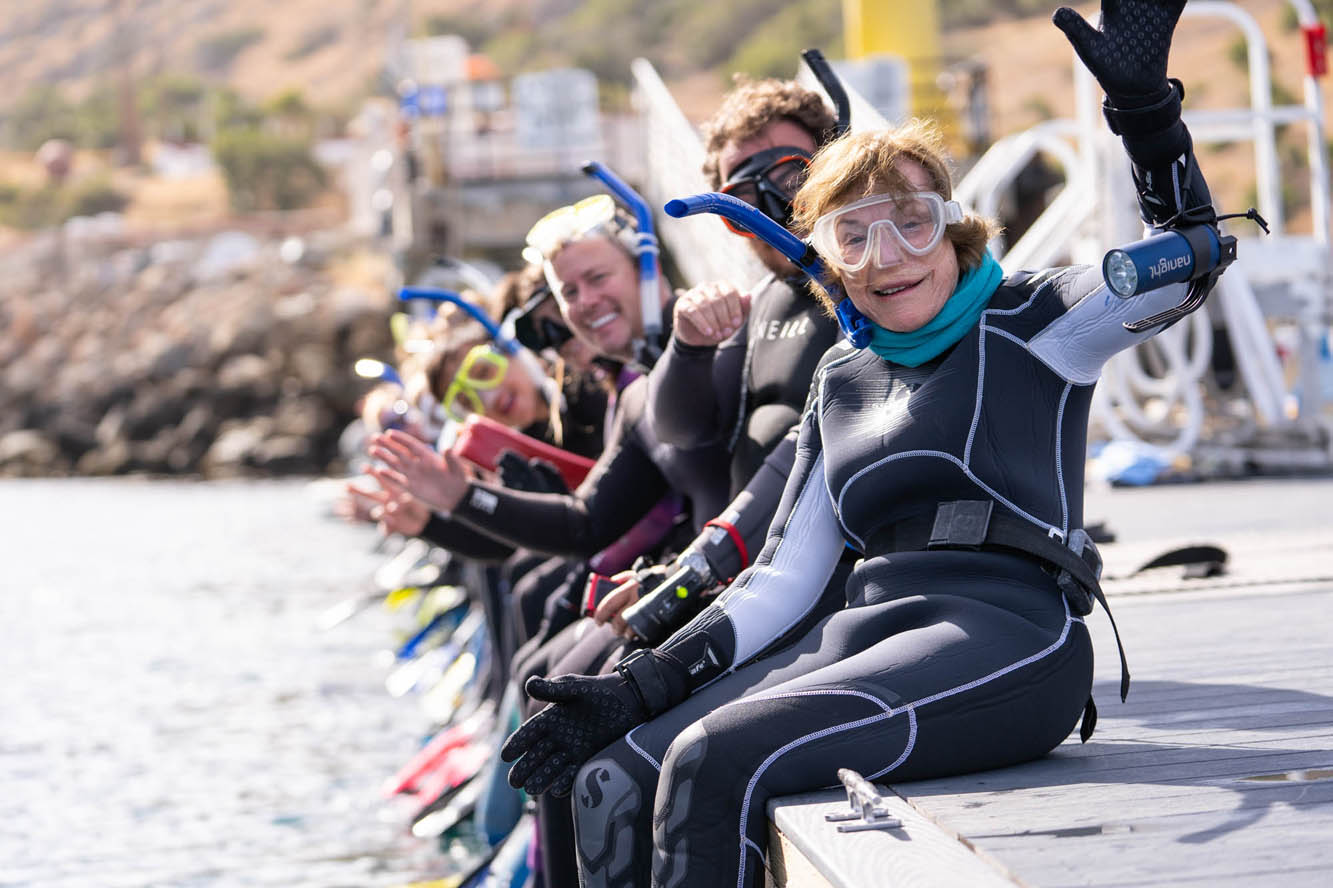
    Island Explorers - This innovative marine science curriculum was developed by the USC Sea Grant Program, part of the Wrigley Institute. It allows teachers to educate students in math and science, linked to the state standards, while using the marine and environmental settings that keep students interests high. The full program also involves an overnight fieldtrip to Catalina Island where they put the new knowledge about science into action.

    Island Scholars - All of the non-profits on Catalina Island have banded together to create a set of educational offerings for the students in the Avalon school. We cover the marine science components in collaboration with the Catalina Island Marine Institute (CIMI) and the students spend a few days at the lab conducting fieldwork as a culmination of the year's activities. It has the additional benefit of getting the Island non-profits to work more closely together, sharing ideas and expertise.

    Top of Page

    Florida

    College of Marine Science
    University of South Florida

    The College of Marine Science has established several outreach programs that benefit an international population of students and teachers. The goal of these programs is to successfully integrate scientific research and precollege education to enhance science learning. Students and teachers are enriched in their discovery of the relevancy, excitement and knowledge encompassing ocean-related research. Programs are interactive and interdisciplinary providing experiential learning via research cruises, field trips, research projects, satellite broadcasts, and web-based technologies. These educational outreach efforts have also enhanced existing linkages between state and federal agencies, business and individual supporters.

    FCOSEE Using the experience and leadership of five PIs at three formal education institutions, with assistance of the collective intelligence of countless scientists, informal science educators, education administrators, classroom teachers, media specialists, community leaders, industry partners, and others, we are building a COSEE center for improvement of science education in Florida at all levels, from kindergarten through post-graduate (professional development) levels. At the center of this initiative is ocean science content taught using inquiry-based learning, and delivered via integrated technology that reinforces professional development and provides feedback for continuous evaluation of project goals.

    The Florida Center for Ocean Science Education Excellence will serve as a regional hub that integrates ocean research with education, outreach activities in Florida and the southeastern U.S to advance the availability and quality of information on the oceans, improve ocean science competency in a GK-12 audience and keep the public, policy makers, and the media fully informed on ocean issues and discoveries. On a national scale, the Center will nurture development of new model programs for educator-scientist training and collaborations by sponsoring a series of focused workshops, which draw on best practices, programs and practitioners. A major task will be to publicize and distribute new and existing successful programs and products developed by the Center and its partners to the widest possible audience using multiple formats and platforms, including the world wide web, broadcast television, video production and traditional print media.

    The COSEE mission will be to serve as a source of ocean science information (content and advisors), an active agent for development, distribution and promotion of products, and provider of services to educators, scientists, news media and the public. The goals of this program are: 1) Build the infrastructure necessary to accomplish the COSEE mission; 2) Expand both the involvement and the contribution of ocean scientists and graduate students to K-12 education; 3) Develop and implement an integrated ocean science curriculum model that is scalable to all grade levels; 4) Create, evaluate and replicate professional development models designed specifically to meet the professional needs of both oceanographic research and science education communities; 5) Increase minority participation and access to ocean science content, training, and careers; and 6) Improve quantity and quality of ocean sciences information available to the public.

    In-service Teacher Oceanography Workshops (In-TOW) provide teachers with summer learning experiences that model inquiry-based science teaching. The oceans are presented as an ideal model for teaching integrated scientific concepts and processes, examining environmental issues, and problem solving. Program activities include experiential learning, coastal fieldtrips, a research cruise, laboratory research projects, curricular material, and follow-up support during the school year.

    Making Waves (MW) is a unique multimedia approach to learning that offers teachers and students an insider's view of current, relevant ocean science research efforts. Student-scientist teams generate scientifically accurate articles and teacher-teams craft web-based curricular activities to compliment the article's concepts. Visit our website to download articles and classroom activities at no cost.

    OCEANS: GK-12 Teaching Fellowships provide opportunities for highly qualified graduate students to serve as science resources in K-12 schools. Training provides Fellows with insights into current trends and practices in science education, opportunities to develop inquiry-based instructional skills, and strategies to communicate scientific concepts effectively to a broad array of audiences. It is our hope that Fellows will not only enrich science-learning environments, but also realize their value as scientific resources and role models for the ocean science profession.

    Project Oceanography is a live television production designed for middle school science students. Scientists, while hosting the programs, share their "cutting edge" research with the live studio audience and classroom students from around the world. Student participants have the opportunity to interact with the scientists. Audience members assist with demonstrations using state of the art research tools, and distance learners connect by telephone to have their questions answered. The programs focus on a wide range of ocean related topics that can be used with the printed teacher materials. Teacher information guides include background information and activities to use as stand-alone units or in conjunction with the programs. These packets can be obtained in hard copy or easily accessed through the Project Oceanography web site at www.marine.usf.edu/pjocean. Educators using both the video portion and written materials can provide their students with learning experiences that are inquiry based, experiential, and fun while meeting the educational goals aligned with the national standards.

    The Oceanography Camp especially for Girls (OCG) was developed in 1991 to inspire and motivate young women entering high school to consider scientific careers. Each three week program provides multi-disciplinary, hands-on experiences in both laboratory and field environments. Program activities include a day at sea aboard a research vessel, coastal fieldtrips, in-depth laboratory research explorations, and career interviews with scientists. One of the major strengths of this 13 year old program is one-to-one mentoring between teen-aged girls and scientifically accomplished women. For a virtual tour visit www.marine.usf.edu/girlscamp

    Top of Page

    Mote Marine Laboratory

    SeaTrek - Science Videoconference Programs - SeaTrek currently offers videoconference science programs geared for grades 4th-8th (students age 9-13 years) . Free companion curricula are available for our science videoconference programs (click on images below). We can deliver videoconference programs via ISDN up to 384 Kbps (H.320) or via Internet2 up to 768 Kbps (H.323) . Videoconference science programs typically last between 45-60 minutes and costs $145 USD.

    Discover the world of marine science with Mote's Education Programs!

  • Student Field Trips
  • Overnight Programs
  • Teachers Only
  • High School & College Intern Programs
  • Family & Adult Programs
  • Handouts from Conference Presentations
  • For a Closer Look at The Scientists' World
  • Summer Programs
  • Environmental Education Outreach Program
  • SeaTrek Distance Learning Programs
  • The JASON Project
  • Pigeon Key Facility Rental

    Top of Page

    Hawaii

    Oceanic Institute, Makapuu Point

    Click here for more information on the Oceanic Institutes Aquaculture Workshop

    Education is a vital component of our mission. As future stewards and leaders of tomorrow's economy, it's important for Hawaii's youth to gain an appreciation for and an understanding of our marine environment. Exposure to marine science and aquaculture at an early age arouses inquisitiveness and stimulates youthful intellect in mathematics, science, and technology. Our education workshops and seminars do that in an interesting and informative format.

    One way we achieve that is by integrating practical aquaculture in educational workshops to provide real-life meaning to academics. In these living laboratories, students make observations and record and analyze data as part of a meaningful "birth-to-market" aquaculture experience. OI's courses emphasize the need for sustaining and protecting the complex and fragile marine environment. Students consider the difficult choices involved in ocean resource management by weighing conflicting demands for limited resources. They address the dilemma of increasing food supplies while simultaneously conserving resources. Students examine and debate critical current issues such as the importance of biodiversity to the coastal zone, implication of genetics research for marine biotechnology, depletion and degradation of coastal marine resources, control of aquaculture effluents, the role of fish meals and fish oils in agricultural feeds, and increasing global food demands.

    The completion of the new Information Technology and Training Facility at Makapuu in the near future will allow OI to greatly expand our education services to include adult seminars, summer workshops for students, and lessons in marine science that are tightly integrated with regular intermediate and high school courses. We're excited, and can hardly wait for its completion.

    Top of Page

    Waikki Aquarium
    University of Hawaii

    The School Support Program schedules visits for over 25,000 elementary school students each year. Teachers and educators can get information on Docent Guided Tours, Self-tours, Classroom Membership, or becoming a Marine Life Friend!

    The Waikiki Aquarium is a popular field trip site for groups of all kinds including schools, clubs, senior citizen and community groups. Advanced reservations are required for all group visits. We have two types of group visits at the Aquarium: Docent-Assisted Visits for school groups in grades K through sixth, and Self-Guided Visits for school students of all grade levels, preschool through college, as well as other groups.

    Docent-Assisted Visits: These 75-minute visits are led by staff and trained volunteer docents. The program includes a 30-minute interactive classroom presentation and a 45-minute tour of the Aquarium exhibits. Presentations and tours are different for each grade level. Teacher Information Packets (TIPS) - with bibliographies, suggestions for pre- and post-trip activities and discussion ideas - help teachers integrate program themes into classroom lesson plans. Reservations are required for all docent-assisted visits.

    Self-Guided Visits: Teachers of all grade levels and school or community group leaders may arrange for a self-guided visit to the Waikiki Aquarium's exhibits as a way to enrich classroom lesson plans, work on special projects and broaden students' experience. The standard visit time is one hour. Reservations are required for all self-guided visits.

    Other programs are also available for families, adults and children.

    Top of Page

    Maine

    Bigelow Laboratory for Ocean Sciences

    Bigelow Laboratory for Ocean Sciences is a non-profit organization dedicated to marine biological research and education. We are committed to integrating research and education, helping people discover the ties between the marine microbial community and global ecology. Bigelow Laboratory provides an ever-evolving array of educational information and interactive options to a wide range of audiences. Our programs include:

    Toxic & Harmful Algal Blooms - Provides information about toxic and harmful algal blooms (HABs), where they occur in U.S. waters, food web effects, how specific toxins affect humans, and the causative phytoplankton species. The "Special Topics" section has material about freshwater blooms, ocean color, detection methods, and research on South African HABs. (Audience: informal)

    Ship Mates - Provides a means for teachers and students to study one of the world's most biologically productive areas, the Gulf of Maine. From season to season, temperature, salinity and chlorophyll data have been collected from throughout the water column. On-line standards-based educational activities invite exploration of these data to understand water column mixing and stratification, and the seasonal succession of phytoplankton species. (Audience: high school and undergraduate students)

    From the Top of the World...to the Bottom of the Food Web - Helps teachers and students discover linkages among marine ecology, phytoplankton, the behavior of light at the ocean surface, and satellite-derived ocean color data. On-line standards-based educational activities explore the topics of phytoplankton, food webs, and algal blooms using microscopy and remote sensing data. (Audience: elementary to high school students)

    Virtual Vacationland - Helps teachers and students find and use web-based earth sciences data and information. Content is arranged by topic: land topography, bathymetry, coastal tides, ocean buoy data, ocean temperature, weather and climate, and watersheds and rivers. The site includes links to over forty "hands-on" activities. (Audience: middle to high school students)

    Hatch to Catch - Challenges players to guide a cohort of larval lobsters through the Gulf of Maine to settle on the bottom. Outcome scenarios are based on cutting-edge research data from the Gulf of Maine. (Audience: elementary to high school students)

    Phytopia (CD-ROM to be released) - Brings the lower end of the marine food web "to life," promoting interaction with multimedia tools that enable students to discover why the marine ecosystem is critical to human existence. The CD-ROM includes a searchable database of many important planktonic protists from the world's temperate oceans. Satellite images of environmental factors help students understand, in an interactive way, how plankton survive in ever-changing conditions. (Audience: informal)

    Cycling through the Food Web (web site to be announced) - Invites students to participate in a "virtual" scientific research cruise. While cruising, students use real data to discover the significant role of marine microbes in the ocean's food web. On-line standards-based educational activities explore the topics of food webs, nutrient cycling, and the importance of bacteria in the marine ecosystem. (Audience: high school students)

    Toxic and Harmful Algal Blooms - Educational Activities (web site to be announced) - Helps students and teachers discover more about toxic and harmful algal blooms (HABs). On-line standards-based educational activities explore the topics of the role of algae in the food web, the wide-ranging impacts of HABs, and the techniques being used to prevent and detect HABs in our environment. (Audience: elementary to undergraduate students)

    Shoals Marine Laboratory

    The Shoals Marine Laboratory (SML) has the following programs that include instruction for K-12 children and teachers and community outreach:

    K-12 Teacher Program:

  • Field Marine Ecology and Environmental Science for Teachers

    Programs for High School Students:

  • Marine Environmental Science
  • Oceanography of the Gulf of Maine

    Adult and Family Education Programs:

  • Kid's Ahoy! (for children 5 years of age and older)
  • Marine Mammals of the Gulf of Maine (for children over 12 years and adults)
  • Paddle to the Sea (for children over 12 years and adults)
  • Discovery Cruises and public tours of SML (day trips sponsored by the University of New Hampshire)

    Top of Page

    Maryland

    Horn Point Laboratory
    University of Maryland

    Click here for a full listing of Horn Point Laboratory's Educational Programs.

    Oregon

    Hatfield Marine Science Center
    Oregon State University

    Click here for a full listing of Hatfield's Educational Programs.

    Pre school Programs - These forty-five minute hands-on programs are specially designed for pre-school students to help them learn about different ocean habitats and the animals that live there using felt murals, demonstrations and live animals (in some labs). There are five different labs to choose from including: Tidepool Treasures (intertidal habitat), Ocean in Motion (open ocean habitat), The Glow from Below (deep sea habitat), From Shore to Floor (all three habitats), or Chew on This! (food chains).

    K-12 Programs - Both indoor labs and outdoor field investigations are offered to school groups at HMSC. Most are one hour long and require pre-registration. Creature Feature (live animals) labs include: Build a Habitat, Animal Adaptations, Squid Dissection, Crab Lab, Plankton Lab, Coastal Salmon and Invertebrate Taxonomy. Ecological Investigations and Marine Mammal Programs (no live animals) include: Oceanography, Mapping El Ni–o, Fire on the Ocean Floor, Marine Mammal Identification, Sounds in the Sea and Build a Whale. Field Investigations (outdoors) include: Estuary, Sandy Beach and Coastal Forest.

    Home School Programs - Twice a year (spring & fall), day long marine science programs are offered specifically to Home School Students. These programs include live animal labs, field investigations, presentations, movies and craft activities. Each event covers different marine topics and offers new activities. Curriculum samples are also offered to families to help them further develop their marine science units.

    Scout Programs - Programs are offered to help both boy and girl scouts fulfill their merit badge requirements including: Oceanography, Environmental Science, From Shore to Sea, Water Wonders, A Walk on the Wild Side, Wildlife, Eco-Explorer, Estuary Exploration and Beaks and Feathers.

    Summer Day Camps
    Coastal Adventures I - This hands-on day camp will introduce students to the plants and animals that live in the marine habitats of the Central Oregon coast. In outdoor field adventures each day, campers will investigate life on the rocky shores, coastal forests, marshes, mudflats and the sandy beach while collecting specimens and building their own habitats back in the lab.
    Coastal Adventures II - These camps are for students who are looking for a new and different Coastal Adventures camp. Students will work in the field daily, including a trip to Strawberry Hill to observe marine mammals. Students will also learn about plankton, whale research and investigate invertebrates during dissections and a trip to the tidepools.
    Marine Biology I - This camp is designed for students serious about the scientific research and coastal processes. Daily field trips to the rocky shore, estuary, sandy beach and coastal forests will give students an in-depth look into these unique ecosystems. This years' camp will also include a kayaking trip up Beaver Creek to study and explore coastal marshes.
    Marine Biology II - This camp will focus on field experiments and marine careers. Students will get to perform and conduct their own experiments and talk with research scientists. Students will also study the comparative anatomy of marine mammals while assembling the skeletons of a beaked whale and a stellar sea lion. This years' camp will also include a kayaking trip up Beaver Creek to study and explore coastal marshes.

    Top of Page

    South Carolina

    Baruch Institute for Marine Biology & Coastal Research
    University of South Carolina

    The Estuary-Net Project - A telecommunications project supporting the development of coastal non-point source pollution education programs. Estuary-Net was developed by the National Estuarine Research Reserve System in response to water quality issues arising in coastal areas. This project strives to develop collaborations among high schools, community volunteer water quality monitoring groups, local officials, state Coastal Zone Management (CZM) programs and National Estuarine Research Reserves (NERRS) to solve non-point source pollution problems in estuaries and their watersheds.

    Top of Page

    Texas

    Center for Coastal Studies Aquatic Education Program (CCSEP)
    Texas A&M University-Corpus Christi

    Classroom Activities - The staff of the CCSEP enjoys interacting with classroom students through guest speaking engagements. One of our more popular speakers is SCUBA Guy who speaks on careers in aquatic science and relates the "tools of the trade" to importance in reading, writing, and math. Talks to classes and community groups also can be made on: Wetland Function and Value, Wetland Hydrology, Coastal Ecology, and Water Quality. In addition to speaking engagements, the CCSEP strives hard to produce unique, relevant curriculum for the modern classroom. Call to schedule a date for your class at cost to you. (Curricula available through AAWP workshops)

    Field Experiences - Various field experiences can be arranged for your class, organization or civic group at locations around the Coastal Bend. Field topics include: wetland kayak tours, beach walks, jetty walks, ecology and historic driving tours, bird and plant identification. All field experiences include extensive hands on activities that require individual participation. Call to schedule a trip for your class or community group. Some trips may have a nominal fee to cover trip costs, others are at no cost to you.

    Top of Page

    Virginia

    Virginia Institute of Marine Science
    The College of William & Mary

    VIMS plays an important role in marine science education for a wide variety of audiences and age levels. The VIMS School of Marine Science is the professional graduate school in marine science for the College of William and Mary. The Sea Grant Marine Advisory Program (MAP) at VIMS works closely with schools, businesses, governmental agencies, and individuals to provide information on a wide range of marine-related programs and activities. The Bridge, a web-based clearinghouse of the best on-line resources for marine science education, is developed and maintained by Sea Grant marine education specialists. VIMS also offers numerous internships for aspiring scientists at the undergraduate and secondary levels.

    BRIDGE - Ocean Sciences Teacher Resource Center

    ChesSIE - Chesapeake Science on the Internet for Educators

    Virtual Marine Education Center

    Marine Science Classroom Programs, Grades 9-12

    Through the Outlook on Ocean Science program, VIMS graduate students bring high schoolers a first-hand look at marine research and potential careers in marine science. A 90-minute program will provide students with a solid understanding of the interdisciplinary nature of oceanography and a first hand experience with marine science graduate students specially prepared to work with 9th - 12th grade audiences.

    Top of Page

    Washington

    Friday Harbor Laboratories
    University of Washington

    Services for Local and Regional Schools

    Schools in San Juan County Friday Harbor Labs offer support to San Juan County teachers in the form of classroom visits by resident scientists, equipment loans, and help with student investigations. Classes studying the marine sciences can schedule tours of the labs highlighting specific areas of research that relate to topics your students are studying.

    Regional Schools We are developing new programs that will allow teachers and students to work with scientists in deploying a remotely operated vehicle (ROV) and other high tech equipment in new research on marine habitats of Puget Sound.

    Top of Page

    Shannon Point Marine Center
    Western Washington University

    K-12 Teacher Training in Science - The need to improve K-12 instruction in science has long been recognized and SPMC recently applied its considerable experience in specialized undergraduate instruction to this issue. The underlying premise of this initiative is that marine science is inherently multi-disciplinary, has great relevance to our region, and may be a particularly inviting approach to teachers and prospective teachers to learning and teaching science. This initiative is consistent with and supported by Western's strong pre-service, and in-service, teacher education programs and its leadership in Science Education.

    Since 1995, SPMC has been providing assistance to local schools through a work-study component of our NSF-sponsored Minorities in Marine Science Undergraduate Program. Our students earn their work-study stipends by receiving training in elementary school instruction and providing lessons to local 2nd and 4th graders in marine science topics. Such activity, although presently small in scale, has proven useful to the Anacortes School District and a valuable experience for the minority student participants.

    Further collaboration with the Anacortes School District has been stimulated by their need to revise their science curriculum and to upgrade the training level of their teachers in science. SPMC has been exploring ways to provide expertise in curriculum development and to provide workshops for in-service teachers that will provide training in hands-on classroom activities. We are also working with the Alaska Fisheries Science Center (NMFS/NOAA) to implement programs for middle and high school science teachers from regional schools with high populations of minority students.

    Other activities include sponsorship of a Marine Biology Club in Anacortes High School and development of general public and K-12 educational programs in conjunction with the Ship Harbor Interpretive Preserve (SHIP).

    Ship Harbor Interpretive Preserve (SHIP) - Public interest in the programs of SPMC has intensified recently as our visibility in the local community has increased. The lack of sufficient staff and the nature of our facilities have led us to satisfy this interest by pursuing public education programs at off-site locations.

    One such program that fits this model is the Ship Harbor Interpretive Preserve (SHIP). Ship Harbor is a small embayment and wetland located just to the east of the SPMC campus (with only the very busy State Ferry Terminal located in between). In the face of intense population pressure from the ferry (1.9 million visitors per year) and the prospect of a large marina and condominium development occurring on the east side of the wetland, a number of local civic and private groups have sought to develop the site as a preserve and environmental education center. Because of our proximity, scientific expertise and the significance of education to SHIP, we were among the first to participate in its planning. In addition to SPMC, the group includes the Port of Anacortes (owners of the property), the Anacortes Parks Foundation, the Anacortes School District, the Samish Indian Nation, and Evergreen Islands, a local environmentalist organization.

    SHIP is being developed in two phases, the first being a trail through the wetland that will regulate access and provide educational material suitable for K-12 and the general public. Phase 2 will include a more ambitious and broad coastal marine education program housed in a substantial facility to be constructed with private funds at a site adjacent to the wetland. The design of Phase 1 has been completed and funding is being sought for construction of the wetland trail. In the meantime, a number of programs are underway at the site, including monitoring of biota and water quality and K-12 educational programs.

    Top of Page

    Northeastern Association of Marine & Great Lakes Laboratories (NAMGLL) Web Site

    Southern Association of Marine Laboratories (SAML) Web Site

    Western Association of Marine Labs (WAML) Web Site

    National Association of Marine Labs (NAML) Web Site

    If there are any errors or omissions in content, please send comments and corrections to Julie Brown. Thank you!