Research Experiences for Undergraduates
May 27-August 4, 2008
Application Deadline
February 15, 2008
Apply on line!
or Download it (PDF format)
Students will be notified of their standing by
Monday, March 17th, 2008
USC Wrigley Institute for Environmental Studies
USC Department of Biological Sciences
USC Department of Earth Sciences
GEOBIOLOGY-MARINE SCIENCE AT THE INTERFACE BETWEEN THE LIFE AND EARTH SCIENCES
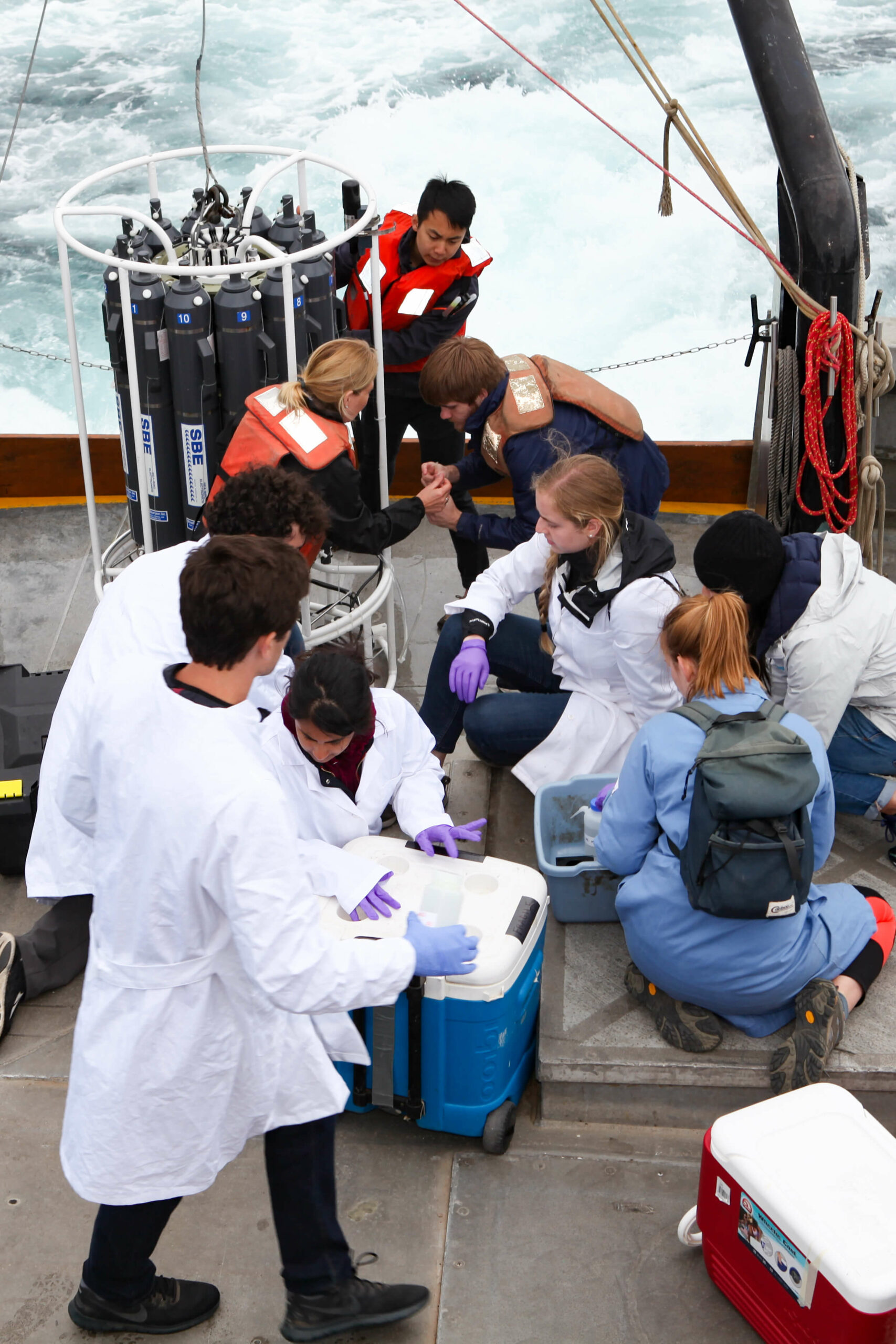
The University of Southern California Wrigley Institute for Environmental Studies has received funding from the National Science Foundation Research Experiences for Undergraduates (REU) to support 8 fellowships for undergraduate student research at the University of Southern California during the summer of 2008 (May 27 - August 4, 2008). "Geobiology-Marine Sciences at the Interface between the Life and Earth Sciences" draws on a diverse faculty from marine environmental biology and earth sciences. Students will design and conduct independent projects under faculty supervision within several broad research areas including:
- Biogeochemistry of oceans and sediments, links between past and present
- Evolution and population genetics of marine organisms
- Physiology of individuals and systems ecology of ecosystems
Please click here for Participating Faculty and Project Examples.
Apply on line! (PDF Download)
Eligibility and Terms of Fellowship:
Students who have completed at least two years of undergraduate study and will still be undergraduates in the fall of 2008 are eligible to apply. Minorities and women are especially encouraged. Applicants must be U.S. citizens or permanent residents. We encourage all successful applicants to arrange for independent study credit through their home institutions.
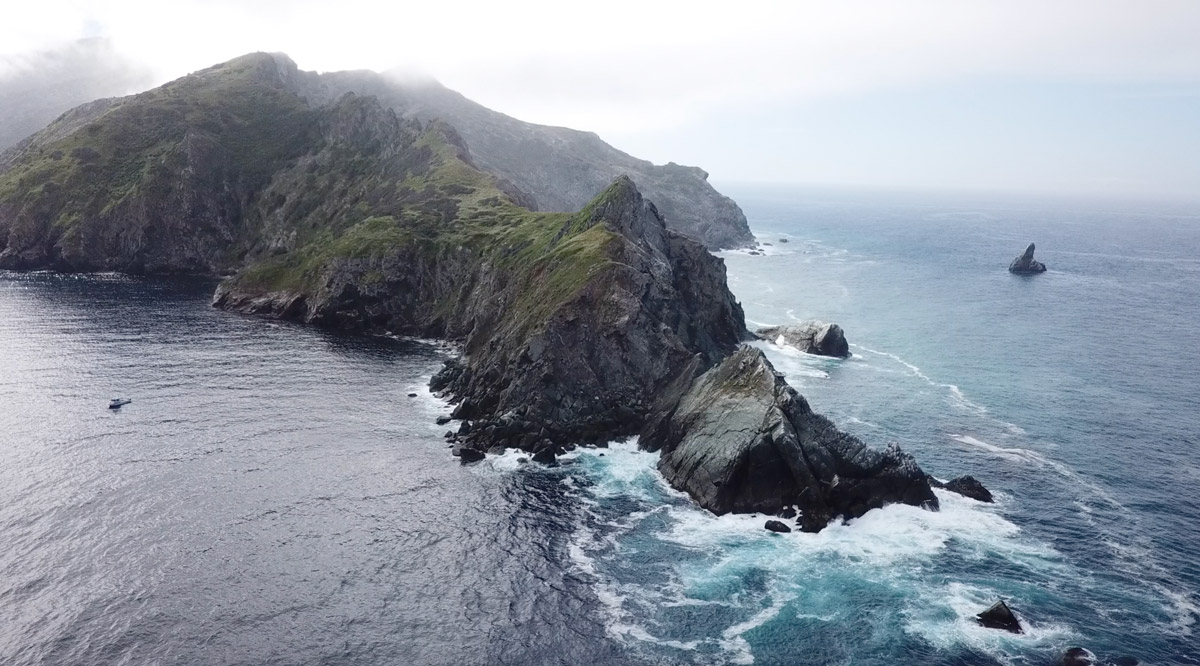
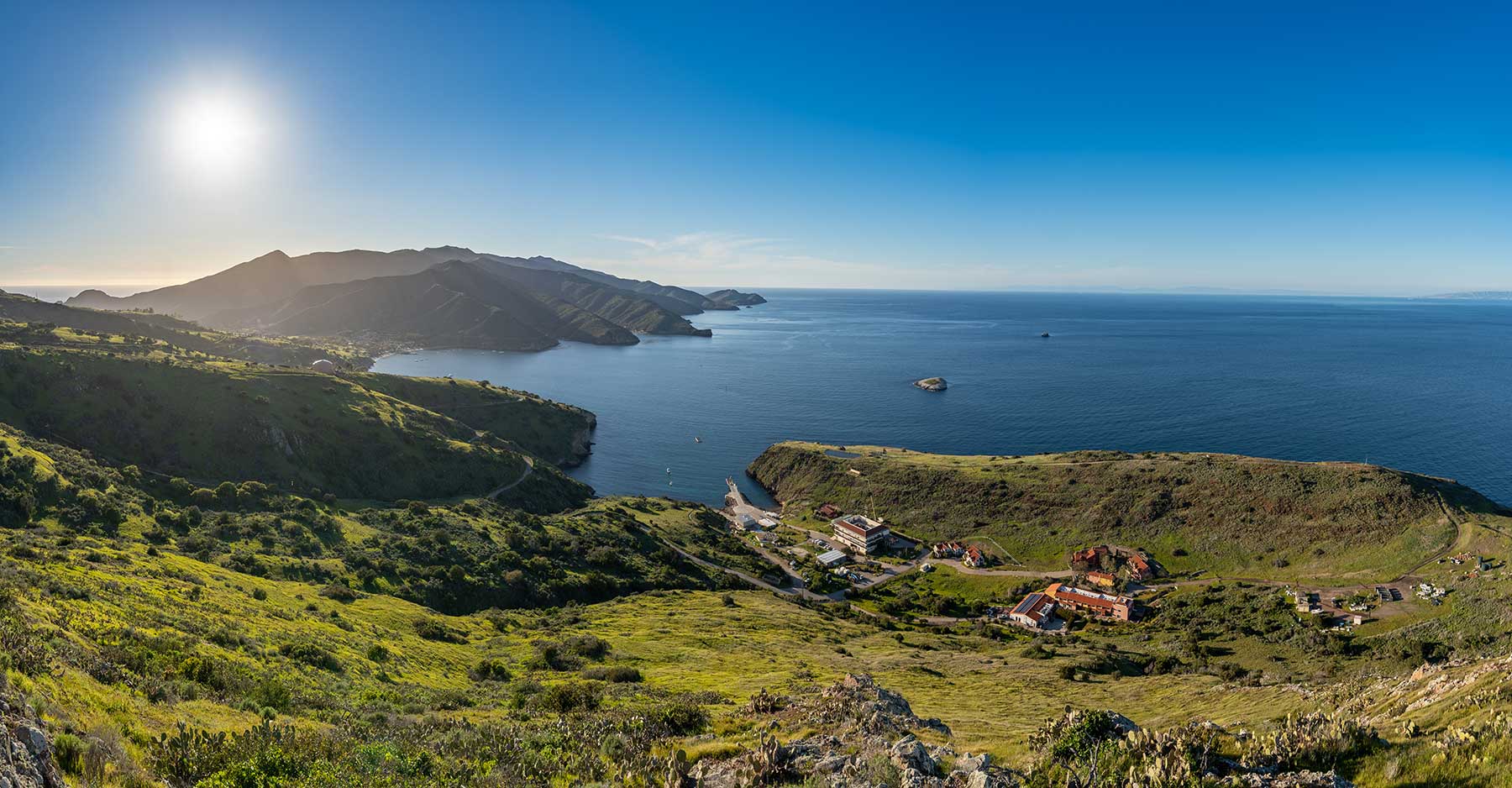
Each successful REU applicant will receive a stipend of approximately $350/week. USC will cover the costs of housing, student health insurance and will provide a food stipend. Students will reside in apartments on the University Park Campus of the University of Southern California. A special orientation and field trips will take place at the Wrigley Marine Science Center on Catalina Island, located approximately 20 miles from Los Angeles. Travel expenses to and from Los Angeles will also be covered by the REU program. For more information, please email REU@usc.edu.
Summary of the Program:
"Geobiology" is a new catch-phrase for the broad mix of science at the interface between the life and earth sciences. It builds on a broad range of existing interdisciplinary and disciplinary research. Much of this research is microbial, exploring all of the ways that micro-organisms influence the geology of the earth and how the earth influences the behavior of microbes. Bacteria "eat" rocks, they "breathe" rocks and they "make" rocks. This interaction between microbes and minerals covers such disparate topics as the early evolution of life on earth, the dynamics of elements in the modern, the search for life on other planets and even novel strategies for bio-remediation! In the modern "genomics" era, this kind of research has expanded as the relative ease of genetic sequencing has opened up new possibilities for understanding relatedness, physiology and the interactions among organisms. The field in its broadest context expands to cover the evolution of life at all levels and the synergies between molecular approaches to phylogeny and the richness of the fossil record.
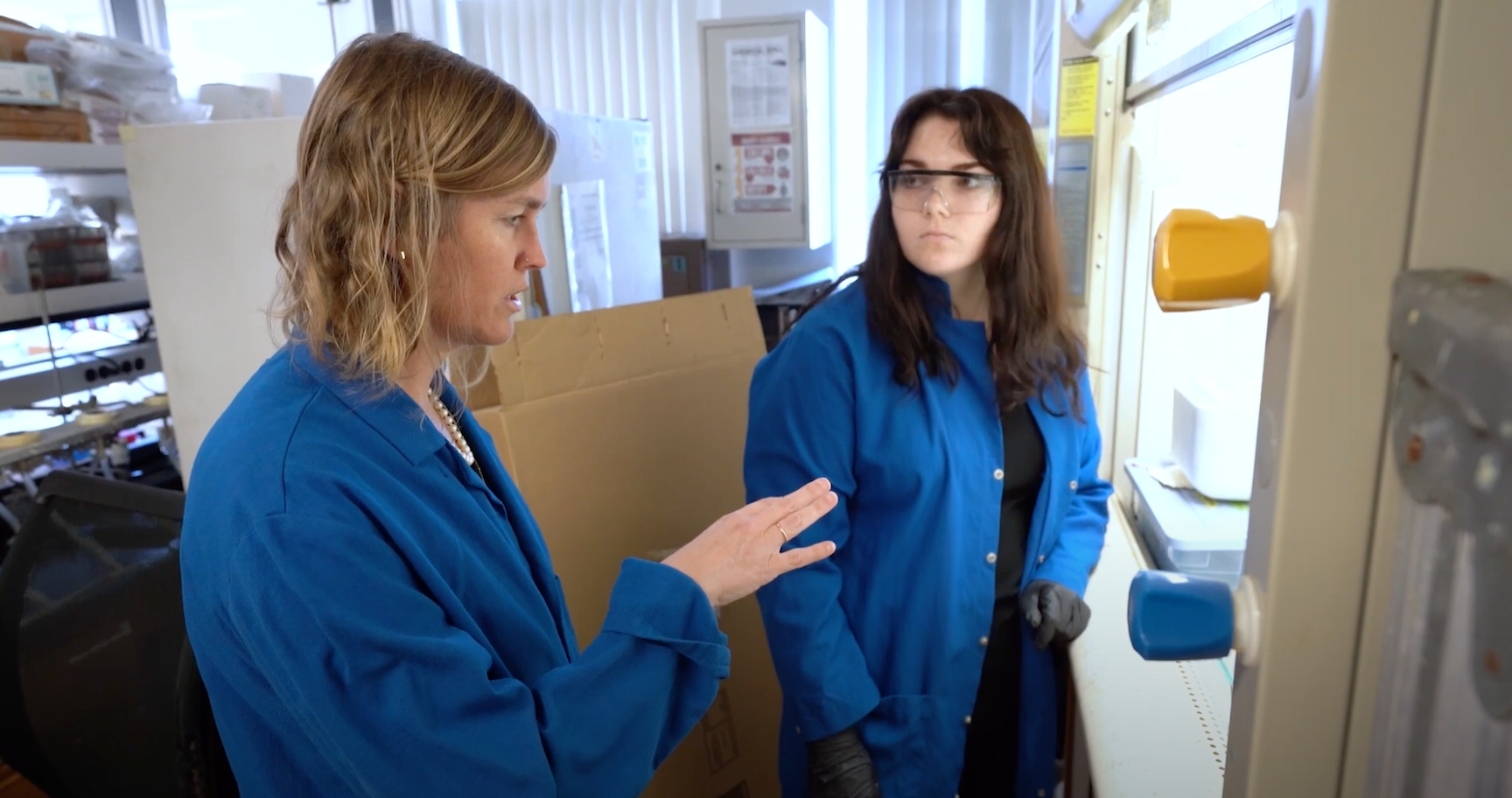
At the University of Southern California Wrigley Institute for Environmental Studies, our marine program includes a broad mix of topics in marine microbiology, ocean biogeochemistry and in the adaptation, evolution and population dynamics of marine animals in the Earth Science and Biological Science departments. Each student will conduct independent research under the mentorship of one of our faculty. At the same time, each student will receive exposure to the full range of topics that fall under the umbrella of "Marine Geobiology" and will be exposed to a wide range of additional research opportunities within this evolving field.
REU students will live in apartments on the University Park Campus. The students will spend the entire 10 weeks conducting independent research projects. We will also conduct a parallel program of formal and informal education activities including a science and ethics retreat on Catalina Island, faculty seminars, field trips, and mini-symposia as part of an ongoing Geobiology graduate course. The program will culminate with a public REU science symposium showcasing the students' research projects.
This REU site program will be directed by Dr. Linda Duguay, Deputy Director of the USC Wrigley Institute (contact Linda Duguay, 213-821-1335, duguay@usc.edu) and Prof. Donal Manahan, Director of the USC Wrigley Institute.
Participating Faculty:
Faculty Expertise and
Potential Student Project Areas
Marine & Environmental Biology:
Dr. Doug Capone. Nitrogen fixation and nitrogen cycling in the sea. Dr. Capone is an oceanographer and microbial ecologist interested in microbial life in the oceans. His research focuses on the role and importance of marine bacteria in major biogeochemical cycles particularly those of nitrogen, carbon and sulfur, both from the perspective of the fundamental ecology of marine ecosystems, as well as considering the response of these populations to, and interactions with, various environmental perturbations.
Dr. Dave Caron. Marine and freshwater microbial ecology, with emphasis on the trophic relationships between protists (microalgae and protozoa) and other planktonic and benthic organisms. Recent research programs have focused on the distribution, feeding ecology, respiration and nutrient regeneration of bacterivorous and herbivorous protozoa, the ecology of harmful algae, the physiology of Antarctic protists, feeding and growth of phagotrophic (mixotrophic) microalgae, and the development of molecular biological approaches for studying the ecology of free-living microorganisms.
Dr. Suzanne Edmands. Population genetics of marine animals. Dr. Edmands research covers two topics. The first concerns understanding the genetic mechanisms underlying the early stages of speciation using the tidepool copepod Tigriopus californicus as a model. The second focus concerns spatial and temporal genetic structure in natural marine populations, using model systems ranging from sea urchins to marlin.
Dr. Katrina Edwards. The Edwards Geobiology laboratory is broadly concerned with understanding, and deciphering, the co-evolution of Earth and life. Hence, our work focuses on geobiological systems with long histories, with potential for biosignatures of life's imprint on processes. An example that is of keen interest to us is understanding the rates, mechanisms, and pathways of rock and mineral transformations (dissolution/precipitation) in the deep ocean. These reactions in our oceans play pivitol roles in balancing many global biogeochemical cycles (carbon, iron, sulfur, for example) over geologic time frames.
Our means of studying these processes involves applying microbiological (culturing), molecular biological (DNA & RNA analysis), mineralogical (X-ray and microprobe), and geochemical (elemental, isotopic) analyses to environmental samples and laboratory experimental materials REU student projects generally would focus on one or two types of analyses/approaches and a focused set of objectives that fit into a larger framework within the Edwards lab, that could be tailored to the individual student's interests.
Dr. Jed Fuhrman. Phylogeny and population dynamics of viruses, bacteria and archea in the sea. Jed Fuhrman's lab investigates the roles of microorganisms in marine ecosystems. One current project focuses on viruses and how they influence the prokaryotic community. Another looks at prokaryotic communities at the San Pedro Ocean Time Series, which includes a discovery aspect to identify which organisms are present and how they change over time, as assayed by a variety of genetic and microscopic techniques. That project also includes focused studies of particular groups such as photosynthetic bacteria of specific commonly-occurring phylogenetic clusters. A third project uses molecular biological techniques to help track sources of human-derived microbiological contamination in the coastal zone.
Dr. Andrew Gracey. Environmental Genomics. The focus of Dr. Gracey's research is to understand the effects of factors such as temperature, oxygen concentration, and salinity on the physiological processes of animals, and how these organism-environment interactions affect performance, survival and distribution. These studies explore the nature of adaptive responses and the evolutionary development of stress tolerance in a range of species spanning multiple phyla, including freshwater and marine fish, nematode worms, bivalve molluscs and hibernating mammals. His lab uses 'DNA chips' to investigate how patterns of gene expression evoked during stress yields insights into the physiological processes underlying environmental adaptation.
Dr. Dennis Hedgecock. Evolution, adaptation, and fitness in marine fish and shellfish populations. A primary interest of Dr. Hedgecock's research is the genetic and physiological bases of individual variation in fitness-related traits, such as growth and survival. The subject of this interest is the Pacific oyster, which has the highest production of any aquatic organism in the world and which shows enormous variation in growth, survival, and reproductive potential. The research employs classical breeding designs and the tools of modern genomics, including linkage and quantitative-trait mapping and analyses of gene expression, to understand the genetic basis of this variation. Another interest is testing the hypothesis that highly fecund marine organisms have variable reproductive success, owing to the chance matching of reproductive activity with ocean conditions conducive to fertilization, larval dispersal, and recruitment. Because these organisms produce tens of millions of eggs each, a few successful spawning adults are numerically capable of propagating the adult population. Reproduction for marine organisms may be like a sweepstakes lottery, in which there may be many losers and a relatively few big winners, which could severely limit the genetic diversity of these organisms. This hypothesis has profound implications for the evolutionary process and for management and conservation of marine fisheries.
Dr. Karla Heidelberg. The Heidelberg laboratory, based on Catalina Island, studies plankton community dynamics and function. We have several exciting projects currently underway. Two projects are using contemporary genomic technologies to evaluate the genetic, biochemical, and metabolic potential that is contained in the natural microbial world. Microbes represent the single largest source of evolutionary and biochemical diversity on the planet. While our central focus is on marine systems, due to the fundamental environmental significance of the oceans, we also have a project evaluating soil microbial diversity.
A second focus area involves the characterization of marine zooplankton communities. We are looking for a student to assist with the characterization of zooplankton collected at the San Pedro Oceanographic Time Series (SPOT) Station offshore Catalina Island.. Planktonic communities comprise a wide diversity of organisms that form the basis of marine food webs, providing links between primary producers and higher trophic levels such as fishes, seabirds, and some marine mammals. There are two important reasons for a census of the diversity and abundance of the plankton. The first is the need to describe and understand patterns of distribution and abundance of organisms and to predict the impact of environmental change on those patterns. Second, is to better understand their qualitative and quantitative role in the pelagic food web and the cycling of elements in the sea. REU student projects would be individually developed to focus on a manageable aspect of interest in any of the above projects.
Dr. Sergio Sanudo-Wilhelmy. The general focus of the Sanudo-Wilhelmy research group is environmental biogeochemistry. The lab is trying to elucidate how bioactive substances influence specific biological processes (e.g., carbon and nitrogen fixation) as well as phytoplankton dynamics (species composition and abundance) in different aquatic systems. To accomplish those research objectives, we study the cycling (e.g., sources, transport, fate, bioavailability) of various trace metals, B-vitamins and mineral nutrients in ecosystems. Another objective of the research group is to establish the impact of anthropogenic processes on environmental quality. We try to apply our results to environmental policy analysis, including issues related to public health. Summer of '07 REU projects would focus on on the impact of B-vitamins on Harmful Algal Blooms (HABs).
Dr. Eric Webb. The Webb laboratory focues on marine cyanobacterial physiology, ecology, and genomics. Recent work involves the development of molecular methods to monitor nutrient and trace metal stress in situ in marine cyanobacteria; molecular characterization of the Fe scavenging system of marine cyanobacteria and heterotrophic bacteria; and secondary metabolite production (antibiotics and toxins) by marine and estuarine cyanobacteria. Potential students projects in the Webb lab would center on:
- Physiological experiments on cyanobacterial cultures (such as monitoring Fe stress genes) in species of Crocosphaera or Synechococcus)
- Physiological studies of new marine Synechococcus isolates.
- Characterization of siderophore production and biosynthetic genes in heterotrophic bacteria in the lab’s culture collection.
- Isolation of heterotrophic bacteria from the waters around Catalina.
Dr. Wiebke Ziebis. Marine biogeochemistry, ecosystem function in coastal and deep-sea environments. Dr. Ziebis works on extreme marine environments like hydrothermal vents, methane seeps, deep anoxic basins and sulfide-rich environments that are very important and exciting areas in the marine environment. Her research concentrates on the complex interactions of transport processes, geochemical gradients, biogeochemical processes and associated microbial communities, as well as the structure of macrofauna assemblages in these environments. Detailed investigations involve simulation experiments in the laboratory to study sediment-animal-microbe interactions under controlled conditions in aquaria and flow channels as well as high-resolution in-situ studies of geochemical and physical gradients using microsensors (oxygen, pH, hydrogen sulfide, hydrogen, temperature, redox-potential, flow velocity). Other investigations require incubation experiments for the quantification of microbial activity (i.e. sulfate reduction, anaerobic methane oxidation) by the application of radiotracers and detailed sampling along environmental gradients for microbiological analyses, pore-water and sediment chemistry (i.e. sulfate, methane, iron), as well as for the study of the related infauna communities. Dr. Ziebis's research has always involved interdisciplinary studies and novel approaches to investigate the relationship between physical regime, small-scale geochemical environment and microbial or macrofaunal activity in marine sediments.
Earth Sciences:
Dr. Will Berelson. Global budgets of carbon, silica, nitrogen and phosphorus: the role of sediment diagenesis. Dr. Berelson studies the factors that control the cycling of metals and nutrients in sediments, Calcium carbonate dissolution kinetics and its impact on paleoceanographic reconstruction, mixing and advection in marine waters and sediments using radioisotopes and other tracers and layered microbial communities-microbial activity and geochemical transformations. He has extensive experience in the creation of in situ devices technologies (robotic benthic landers).
Dr. Dave Bottjer. Origin and subsequent evolution of life on Earth, from 600 million years ago to the present. Recent research projects include ecolgy of early animals in marine settings dominated by microbial mats, ecology and evolution of early bioturbation in marine subtidal environments, mechanisms for exceptional preservation of fossils, evolutionary analysis of late Precambian marine animal fossil eggs and embryos, causes of major mass extinctions on Earth, and analysis of how marine ecosystems recover from mass extinctions. Major emphases have been on extensive paleobiological fieldwork coupled with interdisciplinary analyses with colleagues versed in developmental biology, molecular biology, informatics and geochemistry.
Dr. Doug Hammond. Professor Hammond's program involves use of low-temperature geochemistry to address problems in marine chemistry, paleoceanography, and environmental chemistry. His principal efforts have been directed toward studies of sediment diagensis related to the cycle of carbon and associated biogenic phases. Analytical approaches have included radiochemistry, stable isotope analysis, in situ benthic flux measurements, and modeling efforts. Recent and currently funded NSF projects have been focused on studies of nitrogen isotopes in sediments to determine the extent of fractionation as organic nitrogen is buried, studies of the behavior of germanium and silicon in the modern ocean to assist in interpretation of the significance of past fluctations of the oceanic Ge/Si ratio to the oceanic Si cycle, and studies of radon distribution in gas hydrate regions to understand the dynamics of fluid and gas flow.
Dr. Lowell Stott. Dr. Stott's laboratory is involved in studies to reconstruct climate and ocean history. Current research focuses on the Pacific and the role of the tropics in affecting the pattern of global climate variability at centennial to millennial time scales. He is also interested in how changes in atmospheric forcing over the North Pacific affect upwelling, productivity and ultimately ocean biogeochemistry (carbon oxidation, carbon burial and intermediate water dysoxia) in the North Pacific.
Biogeochemistry of oceans and sediments, links between present and past. Microbes (eukaryotic and prokaryotic) create organic matter and they consume it as well. They can eat, breath and make inorganic materials, rocks. Through their participation in the dominant nutrient cycles of the ocean and its sediments, they continually transform the conditions for the other living things on earth and they have a fundamental impact on the sediments. Students in the labs of Drs. Berelson, Capone, Caron, Fuhrman, Hammond, Stott, Ziebis and others could do a wide range of biogeochemical investigations. These could involve participation on our time-series cruises in the San Pedro Channel, investigations of water column nutrient fluxes, sediment fluxes, methane production, sulfate reduction, nitrogen fixation and denitrification in the sediments and water column. Many of these problems involve quite simple manipulations in the lab, in the field, in mesocosms or using small benthic landers. Some could also involve molecular investigations into the community structure of complex microbial ecosystems, linked to the functioning of each within the system. Others could involve the use of model ecosystems in chemostats or batch culture and following the dynamics of these model systems through time with a combination of rate measures, microscopy, flow cytometers and molecular techniques. Simple methods development projects as extensions of existing approaches in our labs may also be appropriate. Finally, many of these same dynamics change through time and these changes are recorded, either directly or through proxies, in the fossil record. Geological explorations of sediment cores provide the insights into these dynamics on time-scales completely beyond the range of direct studies of the modern. We have many earth science faculty who study the earths history and climate through the sedimentary record and the analysis of one core or one aspect of it may be a very straight-forward, but powerful undergraduate project.
Evolution and population genetics of marine organisms. Molecular techniques have opened up a whole new world of exploration of the evolution, relatedness, adaptation and population dynamics of marine organisms. These often involve fairly straightforward approaches to the creation of sequence data and the use of those data to elucidate pattern. Our faculty conduct research on these kinds of questions for everything from viruses, archea, bacteria, protists to metzoans. These faculty include Caron, Capone, Edmands, Fuhrman, Hedgecock and Ziebis. Further, our colleagues at the Natural History Museum have a special blend of traditional and molecular approaches to the taxonomy and evolution of marine animals. These kinds of studies are often quite focused as students take their own piece of the evolutionary puzzle and apply their advisor's methods to it. Catalina Island offers us a wide range of ecological questions that are amenable to population genetics approaches, studies ranging from population structure of a variety of game fishes to the relateness and invasiveness of exotic algae and animals. Some of the organisms, like Tigriopus, are also fine laboratory models for more controlled genetics experiments. Finally, evolution can also be explored through the fossil record and some of the discoveries in the modern can be complemented by explorations of fossil organisms through paleontological investigations of existing samples with USC and NHM faculty. Projects with Dr. Valdes would involve dissection and scanning electron microscopy of specimens.
Physiology of individuals and systems ecology of ecosystems. Organisms feed, grow, excrete and reproduce. Variations in these fundamental biological processes are the dynamics that lead to their activities in ecosystems and to their adaptation and evolution. Many of these rate processes and the expression of the underlying genes that makes them happen are amenable to direct measurement and study. Again, our faculty take a variety of approaches to study these processes in marine organisms across the entire size spectrum. These include, Drs. Caron, Capone, Fuhrman and Hedgecock. Sometimes this physiology is functional at the ecosystem level, sometimes it can be studied in cultures of a single species and sometimes, the dynamics and genes of a single individual can be explored. We have extensive collections of bacteria and protists in culture, available for direct study. Some of these are known to cause harmful algal blooms. Some are extremophiles. Sometimes the rate process research also involves the interactions of different microorganisms through such things as symbiosis or through the interactions of attached nitrogen fixing microorganisms with the giant kelps. The physiological characterization of these organisms is a critical part of understanding their ability to have the unique ecological roles that we see. The Hedgecock and Manahan labs culture the larvae of marine invertebrates and conducts investigations into the metabolism of these larvae at both the organismal and molecular levels. Undergraduates in the REU program could participate in a variety of projects, including assisting in the sequencing of expressed genes of interest in the oyster, developing assays for typing single-nucleotide polymorphisms in these genes in order to place them on the linkage map, adding new microsatellite DNA markers to the linkage map, or examining the genetic diversity of wild-caught larvae.
Apply on line! (PDF Download)
This REU site program will be directed by Dr. Linda Duguay, Deputy Director of the USC Wrigley Institute (contact Linda Duguay, 213-821-1335, duguay@usc.edu or reu@usc.edu) and Prof. Donal Manahan, Director of the USC Wrigley Institute.
All students who are offered a position at this REU Site have until March 17th or later to accept or reject the offer. Any student who is asked to accept or reject an offer prior to March 17th should contact the Division of Ocean Science's REU Program Director, Lisa Rom at elrom@NSF.gov or 703-292-7709.